Turning Trash into Treasure: Sustainable Energy Solutions for Managing Municipal Waste
Posted on 03/12/2025
Municipal waste, also known as garbage or trash, is a major problem faced by cities and towns all over the world. With urbanization on the rise, the amount of waste generated is increasing exponentially, leading to overflowing landfills and environmental degradation. However, this waste can be transformed into a valuable resource through sustainable energy solutions. In this article, we will explore some innovative methods for managing municipal waste and turning it into a treasure.
What is Municipal Waste
Municipal waste refers to the solid waste generated from households, commercial establishments, and institutions. It includes everyday items such as food scraps, paper, plastics, packaging materials, and other discarded materials. According to the World Bank, global municipal waste is estimated to reach 3.4 billion tons by 2050 if current practices continue. This highlights the urgent need for effective solutions to manage and reduce municipal waste.
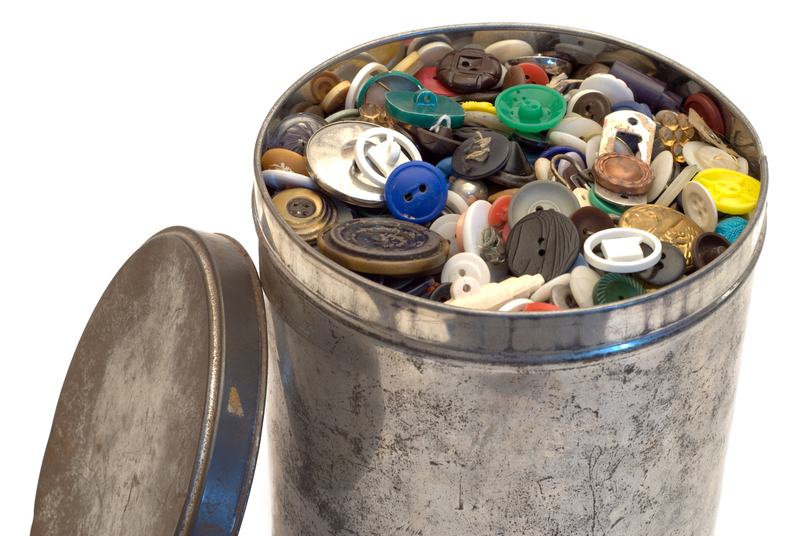
Sustainable Energy Solutions for Managing Municipal Waste
There are various sustainable ways to manage municipal waste that not only reduce its environmental impact but also turn it into a valuable source of energy. Some of these solutions include:
1. Waste-to-Energy (WTE) Technologies
Waste-to-Energy technologies involve converting solid waste into energy through thermal or biological processes. In thermal processes like incineration or gasification, the waste is burned at high temperatures to produce steam or heat which can then be used to generate electricity. In biological processes like anaerobic digestion, microorganisms break down organic waste to produce biogas which can be used as a renewable fuel.
These WTE technologies not only help in reducing the volume of waste but also produce clean and renewable energy that can be used to power homes and businesses.
2. Recycling and Composting
Recycling involves sorting and reprocessing materials from municipal waste such as paper, plastic, glass, and metal into new products. This not only reduces the amount of waste sent to landfills but also conserves natural resources and reduces energy consumption.
Composting, on the other hand, is a natural process that involves decomposing organic waste into nutrient-rich soil amendments. This can be done at a small or large scale and helps in diverting organic waste from landfills while creating a valuable product for agriculture.
3. Waste Reduction and Source Separation
The most effective way to manage municipal waste is by reducing its generation at the source. This can be achieved through various initiatives such as promoting reusable products, implementing pay-as-you-throw programs, and encouraging households and businesses to separate their waste at the source. By reducing the amount of waste produced in the first place, there will be less pressure on landfills and less need for disposal methods.
The Pros and Cons of Sustainable Energy Solutions for Managing Municipal Waste
Like any other solution, sustainable energy solutions for managing municipal waste have their own set of pros and cons. Let's take a look at some of them below.

Pros:
- Reduces the volume of waste sent to landfills, thereby extending their lifespan
- Produces clean and renewable energy
- Reduces greenhouse gas emissions
- Conserves natural resources
- Creates job opportunities in the recycling and waste management sector
Cons:
- Initial setup costs for WTE technologies can be high
- Some WTE processes can emit pollutants if not properly managed
- High levels of public opposition due to concerns about pollution and health risks
Tips for Implementing Sustainable Energy Solutions for Municipal Waste Management
If you're looking to implement sustainable energy solutions for managing municipal waste in your community, here are a few tips to get started:
- Conduct thorough research on the different technologies and options available
- Involve local stakeholders and communities in decision-making processes
- Develop a comprehensive waste management plan with specific targets and timelines
- Educate the public on proper waste separation practices to maximize recycling and composting efforts
- Regularly monitor and evaluate the effectiveness of the chosen solution
Key Takeaways
Some key takeaways from this article are:
- Municipal waste is a major problem faced by cities and towns globally
- Sustainable energy solutions like waste-to-energy, recycling, and composting can turn municipal waste into a valuable resource
- These solutions have their own set of pros and cons
- It is important to involve stakeholders, develop a comprehensive plan, and educate the public when implementing sustainable energy solutions for municipal waste management
Conclusion
In conclusion, turning trash into treasure through sustainable energy solutions is not only beneficial for managing municipal waste but also has positive impacts on the environment. By implementing these solutions, we can reduce the amount of waste sent to landfills, conserve natural resources, and produce clean energy. However, it is important to carefully consider all aspects before choosing a solution and involve all stakeholders for successful implementation. Let us all work towards creating a sustainable future by effectively managing our municipal waste.
Latest Posts
Acquiring Property in Belgravia
A Closer Look at Belgravia: London's Quaint Suburb
Belgravia Living: What Residents Say
Guide to Investing in Belgravia Real Estate
Turning Trash into Treasure: Sustainable Energy Solutions for Managing Municipal Waste