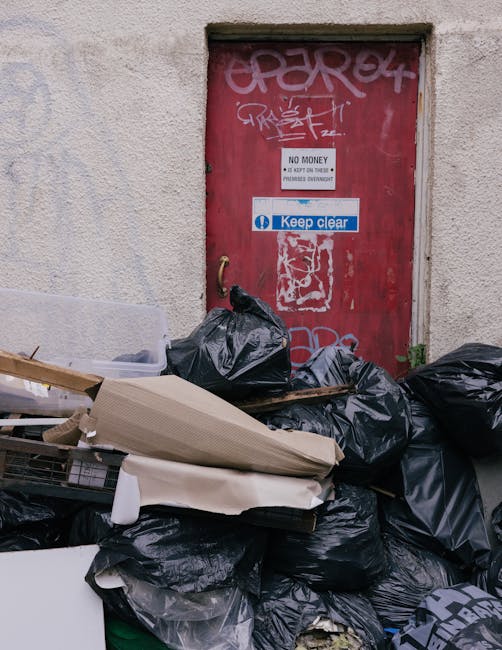
Top tips to avoid hidden rubbish clearance fees in Belgravia
Posted on 11/10/2026
Hidden rubbish clearance fees are frustrating anywhere, but in Belgravia they can feel especially out of place. You expect a tidy, professional service; you do not expect surprise charges sneaking in after the van has already arrived. The good news is that most of these fees are avoidable if you know what to ask, what to check, and what a fair quote should actually include. This guide breaks down the top tips to avoid hidden rubbish clearance fees in Belgravia, so you can compare providers properly, budget with confidence, and avoid the usual little traps. Let's face it, nobody enjoys being billed for "access difficulties" when a wheelie bin barely had to move.
Whether you are clearing a flat near Eaton Square, a mews property with tight access, or a larger household job with mixed waste, the same principles apply: be specific, get it in writing, and watch for vague wording. In the sections below, you will find a practical checklist, a simple step-by-step approach, and the kinds of questions that separate a transparent operator from one that prefers surprise add-ons. If you want a broader view of what a proper service should cover, it can also help to look at the provider's services overview and compare that with the quote in front of you.
Why Top tips to avoid hidden rubbish clearance fees in Belgravia Matters
Belgravia is a part of London where service standards tend to be high, and expectations are high too. That matters because rubbish clearance jobs here are often more complex than they first look. Tight access, permits, basement collections, basement stairs, concierge arrangements, parking constraints, and mixed household waste can all affect the final price. A quote that looks neat at first glance can become less neat when extras appear later.
Hidden fees matter for a simple reason: they undermine trust. If you are clearing a property before a sale, after refurbishments, or simply because clutter has built up over time, the last thing you need is uncertainty. A clear quote helps you compare like with like. A vague quote does not. And in a neighbourhood where property values, presentation, and timing can matter a lot, delay or dispute over pricing can become surprisingly stressful.
There is also a practical point. Some companies quote low to win the booking, then add charges for labour, stairs, parking, waiting time, congestion, bulky waste, item types, or minimum load levels. Sometimes those charges are justified, sometimes they are not clearly explained. The difference usually comes down to whether the company has been specific from the beginning. In our experience, the best providers are almost a bit boring about detail. That is a good thing.
Expert summary: the easiest way to avoid hidden rubbish clearance fees is to treat the quote like a checklist, not a headline. Ask what is included, what could change the price, and what evidence you will receive if the cost changes on site.
How Top tips to avoid hidden rubbish clearance fees in Belgravia Works
At its core, avoiding hidden rubbish clearance fees is about controlling uncertainty before the job starts. A transparent rubbish clearance service will usually assess volume, waste type, access, and labour needs, then give a price based on those details. The more accurate your description, the less room there is for a surprise later.
Here is how the process generally works in real life. You describe the waste, maybe send photos, and the company estimates the load. If they are thorough, they ask about access, parking, floors, lift use, and any heavy or awkward items. They should also explain whether the quote includes loading, transport, disposal, and any added charges for specific waste categories. A decent provider does not hide these details in small print and hope for the best.
The hidden fee problem often appears in one of three ways. First, the quote is too broad, so the team arrives and decides the job is "more complicated" than expected. Second, key assumptions were never discussed, such as whether the waste is on the ground floor or down a long staircase. Third, the service uses optional-sounding wording that becomes mandatory once the work starts. A classic one. That is why clarity matters before a van is anywhere near the property.
For local jobs, it also helps to consider the practical side of collection. Some locations near Elizabeth Street or the more residential squares may have stricter parking or access limitations, and that can affect timing and logistics. If you are curious about how local collections can differ by street layout and property type, a useful read is guide to rubbish removal on Elizabeth Street in Belgravia.
Key Benefits and Practical Advantages
The obvious benefit is lower cost, but the value runs deeper than that. When you reduce the risk of hidden rubbish clearance fees, you gain control over the whole job. That means fewer disputes, less stress, and a cleaner comparison between companies.
Here are the main advantages:
- More accurate budgeting: you know the likely total before booking, not after the lorry has gone.
- Better service comparison: transparent quotes make it easier to compare real value, not just headline prices.
- Less friction on the day: if everyone understands the plan, collection tends to run smoother.
- Faster decision-making: clear information helps you move quickly when you need a same-day or short-notice clearance.
- Greater trust: a provider willing to explain costs is usually easier to work with overall.
There is another benefit people sometimes miss: better waste sorting decisions. If you know what is likely to trigger a higher charge, you can separate items in advance. For example, removing recyclable cardboard, broken furniture, or loose bags from a mixed pile may make pricing clearer and disposal more efficient. It sounds small, but these little adjustments add up.
And yes, it can save time too. Nobody wants to stand on a pavement in Belgravia at 8 a.m. discussing whether an old wardrobe counts as one item or two. That sort of conversation tends to go better when the quote already anticipated it.
Who This Is For and When It Makes Sense
This advice is useful for almost anyone arranging rubbish clearance in Belgravia, but it matters most if your job is not a simple "few bin bags" collection. If you are dealing with mixed household waste, furniture, builders' debris, garden cuttings, or appliance removal, there is more room for extra charges if the service is not clearly scoped.
It is especially relevant for:
- homeowners preparing for sale or refurbishment
- landlords clearing after tenants move out
- estate managers or household staff arranging recurring collections
- business owners needing commercial waste removal
- contractors handling builders' waste and leftover materials
- anyone in a property with awkward access, stairs, or limited parking
For larger or more specialised jobs, it is worth looking at the exact service category rather than assuming all clearances are priced the same. A furniture-heavy job may be handled differently from a mixed domestic clearance, and that difference affects cost. If you want to compare service types, the pages for furniture removal in Belgravia, house clearance in Belgravia, and builders' waste removal in Belgravia are useful reference points.
Sometimes people only realise the risk after they have booked one of those "starting from" prices. Truth be told, that phrase is not always a red flag, but it is never the full story either. It needs context.
Step-by-Step Guidance
If you want the simplest route to avoiding hidden charges, follow this process before you confirm any booking.
- Describe the waste honestly. Include item types, estimated volume, and whether anything is heavy, broken, wet, or mixed.
- Send photos from a few angles. One photo can be misleading. A second or third photo often reveals access issues or hidden volume.
- State the access details. Ground floor, basement, lift, stairs, rear access, narrow hallway, courtyard, parking distance - say it all.
- Ask exactly what the quote includes. Loading, labour, transport, disposal, recycling, waiting time, and congestion-related delays should all be clear.
- Ask which items cost more. Mattresses, fridges, sofas, plasterboard, paint, and certain construction materials may affect pricing.
- Request the price range or fixed price in writing. If it is only an estimate, ask what could change it and by how much.
- Confirm the payment method and timing. Make sure there are no surprises about card fees, deposits, or on-site surcharges.
- Check for waste carrier credentials and insurance. A legitimate operator should not be vague about compliance.
A small but useful habit: repeat the job back in your own words before you agree. Something like, "So this covers removal of the sofa, three bags, and a wardrobe from the first floor, with no extra charge unless access changes?" That one sentence can prevent a lot of back-and-forth later. Simple, but effective.
If you are comparing costs, it can also help to review a provider's pricing and quotes page before you ask for a formal estimate. The wording often tells you a lot about how transparent the company is.
Expert Tips for Better Results
There are a few habits that consistently reduce the risk of hidden rubbish clearance fees. These are the kinds of things that experienced customers learn, sometimes the hard way, after one awkward booking too many.
1. Use photos, but do not rely on them alone
Photos are helpful, yet they can flatten a job. A pile that looks modest in a picture may be deeper than expected in person. Include a shot with a familiar object nearby - a chair, bin, or doorway - so the scale is easier to judge.
2. Ask whether the price is based on volume or time
Some jobs are priced by load size, some by labour time, and some by a mixture of both. If you do not know which model applies, you cannot compare quotes properly. That is where people get caught out.
3. Watch for vague phrases
Words like "subject to inspection," "from price," "extras may apply," or "access charges where relevant" are not automatically bad. But they should come with specific examples. Which access issues? What counts as extra? How much extra? If the answer stays fuzzy, be cautious.
4. Ask about sorting and recycling
Good waste handling can sometimes reduce costs if items are sorted sensibly. It may also improve confidence that the service is being run properly. For readers who care about disposal standards and environmental handling, the page on recycling and sustainability gives a useful sense of what responsible practice looks like.
5. Check security of payment
If you are paying online or by card, confirm the payment process and whether receipts are issued clearly. It sounds obvious, but the safest pricing arrangement is the one you can actually document later. The page on payment and security is worth a look if you want to understand the basics.
One more thing. Ask who is doing the lifting. A fully insured, trained crew is not just about safety; it can also reduce the chance of accidental damage, delays, or awkward last-minute disputes. Nobody wants a scratched hallway and a surprise fee. Not ideal at all.
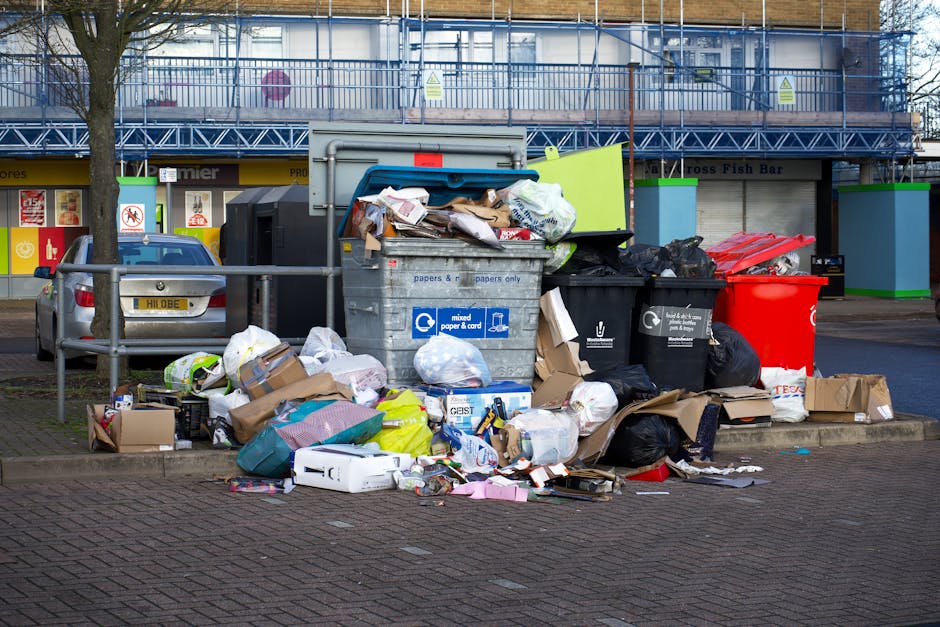
Common Mistakes to Avoid
Most hidden fees are preventable, but the same mistakes come up again and again. Here are the big ones.
- Accepting a quote without item detail: "House clearance" is too broad if you have a specific mix of furniture, bags, and appliances.
- Ignoring access details: stairs, narrow entrances, and parking distance matter more than people think.
- Not asking about excluded items: some waste types may need special handling or may not be included.
- Assuming the first price is fixed: always confirm whether it is final or conditional.
- Forgetting about minimum charges: a small load can still trigger a minimum fee.
- Not reading terms and conditions: this is where some of the less pleasant surprises are quietly tucked away.
There is also a behavioural mistake: people sometimes rush because they want the rubbish gone today. Fair enough. A cluttered room is irritating. But a five-minute pause to clarify the quote can save you a much bigger headache. In that sense, the calm option is often the cheaper one.
If you want to understand a provider's general service approach, it is also sensible to review the terms and conditions and the company background on about us. Neither page is exciting, but both can reveal whether the business is properly set up and transparent.
Tools, Resources and Recommendations
You do not need fancy tools to avoid hidden fees, but a few simple resources help a lot.
- Phone camera: take wide shots, close-ups, and an image that shows access points.
- Quick note list: write down item counts, room locations, and anything awkward or fragile.
- Floor plan or rough sketch: especially useful for larger properties or multi-storey access.
- Question checklist: keep a standard set of questions ready so you do not forget one in the moment.
- Email trail: useful for confirming the quoted price and the scope of work.
For practical planning, service-specific pages can help you estimate the likely complexity of the job. Domestic clearances, commercial collections, and specialist removals all work a little differently. If you are dealing with business waste, for example, it makes sense to compare it with commercial waste removal in Belgravia rather than assuming a domestic rate will apply.
Likewise, if your clearance includes white goods or appliances, the handling is different again. Fridges, freezers, washing machines, and similar items may involve separate logistics. You can see how that is usually handled on the page for white goods and appliance disposal in Belgravia.
And if you want a wider sense of how local jobs are handled in nearby parts of Belgravia, the article on same-day rubbish clearance in Eaton Square is a helpful example of how speed and clarity have to work together.
Law, Compliance, Standards, or Best Practice
When rubbish is collected and taken away, the provider should handle it legally and responsibly. Without turning this into a legal lecture, there are a few best-practice points that matter for you as a customer.
First, use a company that can show it is operating as a proper waste carrier. If a business cannot explain its compliance clearly, that is not a great sign. Second, make sure the service can handle the waste type you have. Not all rubbish is treated the same way, and some materials need more careful sorting or disposal. Third, ask how items are moved, stored, and recorded if that matters for your property or business.
Insurance matters too. Access damage, accidental knocks, or handling issues can happen, especially in older London properties with tight hallways or delicate finishes. A reputable team should be able to explain its insurance and safety approach in plain English. If they cannot, keep looking. Simple as that.
Good compliance is not just about avoiding fines or problems for the operator; it also protects you from being linked to improper disposal. That is why many customers prefer to review the provider's waste carrier licence and compliance information before booking. It is one of those pages that feels dull until it suddenly becomes very important.
For sensitive properties, occupied homes, or busy commercial premises, it is also worth checking the operator's approach to risk and handling. The page on insurance and safety is a sensible place to start.
Options, Methods, or Comparison Table
Not every rubbish clearance quote works the same way. Some are excellent if your job is straightforward. Others are better if the load is unusual or access is tricky. Here is a practical comparison.
| Pricing or service method | What it usually means | Best for | Risk of hidden fees |
|---|---|---|---|
| Fixed quote after photos | Price agreed in advance based on clear details | Most domestic and many small commercial jobs | Lower, if the description is accurate |
| On-site estimate | Team inspects before confirming final cost | Jobs with uncertain volume or access | Medium, depending on how clearly the rules are explained |
| From-price model | Starting price only, with extras for specific conditions | Simple marketing, quick enquiries | Higher, unless exclusions are very explicit |
| Time-based charging | Cost depends on labour time plus disposal factors | Complex jobs, multiple floors, awkward access | Medium to high if timing assumptions are unclear |
The safest option for most people is usually the fixed quote after clear photos and a proper description. Not always, but often. If the job is unusual, a transparent on-site assessment can be equally fair, as long as the pricing rules are explained before the team begins work.
For people handling a full-property clearance, it may help to compare the structure of a domestic service with a specialist house clearance page like house clearance in Belgravia. The underlying principle is the same: clarity first, collection second.
Case Study or Real-World Example
A typical Belgravia scenario goes like this. A resident in a first-floor flat booked a clearance for "a few bits of furniture and some bags." The quote sounded fine. On the day, the crew found a large sofa, a broken ottoman, two wardrobes, several stuffed black bags, and a staircase with a turn halfway down. Suddenly the price changed. Not dramatically, perhaps, but enough to create a tense conversation that neither side enjoyed.
Now compare that with a better version of the same job. The customer sent three photos, mentioned the stairs, confirmed that the wardrobes were assembled, and listed the items one by one. The provider replied with a clear fixed quote and asked one or two extra questions about parking. The collection happened smoothly, the final price matched the quote, and everyone got on with their day. Boring? Maybe. But boring is often exactly what you want with rubbish clearance.
This is why the top tips to avoid hidden rubbish clearance fees in Belgravia are mostly about communication, not haggling. You are not trying to win an argument. You are making the job predictable.
A similar principle applies to property-related removals in the area. For example, people looking at acquiring property in Belgravia or reviewing local market trends via Belgravia real estate guidance often discover that presentation and timing matter. Waste clearance is part of that same practical picture.
Practical Checklist
Use this checklist before you confirm any rubbish clearance booking:
- Have I described every item clearly?
- Did I send photos from more than one angle?
- Did I explain access, stairs, lift use, and parking limits?
- Did I ask whether the quote is fixed or estimated?
- Do I know which items may cost extra?
- Is loading, labour, transport, and disposal included?
- Did I ask about minimum charges or waiting time fees?
- Have I checked the company's compliance and insurance information?
- Do I have the quote in writing?
- Do I understand the payment method and timing?
If you can answer yes to most of those questions, you are in a much stronger position. If not, pause and ask again. It is far easier to clarify before the van arrives than to debate charges on the pavement.
Quick takeaway: the more specific you are, the less room there is for a hidden fee. That simple. Well, simple-ish. Rubbish clearance can still be messy, but your pricing does not have to be.
Get a free quote today and see how much you can save.
Conclusion
Hidden rubbish clearance fees are usually not magic; they are the result of missing information, vague wording, or assumptions that nobody checked in time. In Belgravia, where access, parking, and property layouts can be more demanding than average, clarity matters even more. If you take photos, ask direct questions, and insist on a proper written breakdown, you will avoid most of the common pitfalls.
The best providers will not mind being asked. In fact, they usually welcome it. Clear expectations make cleaner jobs, fewer delays, and better outcomes for everyone. And if you are sorting out a clearance during a hectic week, that small bit of certainty can feel like a proper relief, especially on a grey London morning when the street is already busy and you just want the whole thing done.
Keep it practical, keep it specific, and do not rush the quote. A little care up front goes a long way.